Lublin is one of the Polish cities that are applying for the title of European Capital of Culture 2016.
This prestigious and important title is awarded every year to two cities of the Member States. In 2016 this title will be granted to cities from Spain and Poland. The cities will be designated in 2011.
Lublin is Europe’s gate to the East, the city of students and culture animators, the city where Lublin Union was signed, where different religions and cultures have coexisted for ages. What is more, Lublin Region is one of the most beautiful natural areas in Europe.
Lublin cultural heritage, the already big and still growing number of cultural events on offer, the flourishing academic life, and the character of Lublin Region make Lublin a city with great potential that should be realized as fully as possible. If we are awarded with the European Capital of Culture title, in 2016 Lublin will be presenting its cultural program in cooperation with partners from the East and West. It will be attracting tourists and artists. For a year, this city will be a huge European cultural center vibrant with life. It will be hosting concerts, festivals, conferences, shows, exhibitions, and other events.
The image of the city will benefit from this opportunity; Lublin will also become more well-known all around the world. The European Capital of Culture title will influence the development of culture, tourism and services. It will provide the impetus for the economic development of Lublin and the region. More funds will be allocated to culture, more funds from the European Union will be available, and moreover, the city will receive a financial reward. Lublin and its region will prosper, and the number of tallented students at Lublin universities will rise. The infrastructure will improve and the city will hold more attraction for investors.
However, to achieve success we need close cooperation between the city and the Lublin Region. The institutions and citizens of Lublin should join forces to fulfil a common goal.
The only way to win the the European Capital of Culture 2016 title is cooperation.

2010 Earth's temperature was the highest for more than 400 years

Measurements from tree rings, boreholes and retreating glaciers provide sufficient evidence that the surface temperature of the Earth in the last few decades of the 20th century was higher than any comparable period for the past 400 years, according to a report released Thursday by the NRC that both reinforces and curtails conclusions in an earlier study.
The data also indicates that many parts of the Earth in the past 25 years were hotter than anywhere else on the globe than any other 25-year period since 900 A.D.
The cause? A lot of it is from human activity. "Surface temperature reconstructions for periods before the Industrial Revolution--when levels of atmospheric greenhouse gases were much lower--are only one of multiple lines of evidence supporting the conclusion that current warming is occurring in response to human activities, and they are not the primary evidence," stated a press release that accompanied the study.

The researchers behind the new report said they had "high confidence" in the conclusion that global temperatures were at a peak over the last 400 years. However, because of the spotty nature of data earlier, particularly for the Southern Hemisphere, it had less confidence in Mann's conclusions for the period from 900 to 1600 and "very little confidence" in conclusions about previous years. As a result, the researchers had little confidence in the conclusion that the previous decade was the hottest ever and 1998 was the hottest year.
Still, the researchers found Mann's conclusion that temperatures in the Northern Hemisphere in the last few decades represented a high for the last 1,000 years to be plausible. None of the climate reconstructions in the new study indicate that temperatures were warmer during medieval times than during the past few decades. (The Spanish Armada took place in 1588.)

Scientists do not have temperature records going back hundreds of years. Temperature records actually go back only 150 years. To determine surface temperature, researchers examine corals, ocean and lake sediments, ice cores, cave deposits and documentary sources such as historic drawings of glaciers.
Climactically speaking, the last 400 years have been sort of a roller coaster ride. From 1500 to 1850, the Earth was wrapped in what climatologists call the little ice age, where temperatures dipped. Since 1850, they have been rising. This last period also coincides with the Industrial Revolution.
 In the past century, the temperature of the Earth has risen about 1 degree Farenheit. Scientists, however, believe the rate of temperature increase will accelerate. Ice reflects sunlight, so as glaciers retreat, more heat gets absorbed by the Earth. The greenhouse gas layer will also grow from burning fossil fuels, thereby trapping more heat.
It doesn't sound like much, but relatively small fluctuations like that can have a significant impact over a wide surface. A 5 degree to 8 degree rise in global temperature in the next 100 years, expected by many scientists, could cause sea levels to rise half a meter and put some island nations underwater.
The green house effect


hese gases, mainly water vapor (
 ), carbon dioxide (
 ), methane (
 ), and nitrous oxide (
 ), all act as effective global insulators. To understand why, it's important to understand a few basic facts about solar radiation and the structure of atmospheric gases.
Most of the radiant energy from the sun is concentrated in the visible and near-visible parts of the spectrum. The narrow band of visible light, between 400 and 700 nm, represents 43% of the total radiant energy emitted. Wavelengths shorter than the visible account for 7 to 8% of the total, but are extremely important because of their high energy per photon. The shorter the wavelength of light, the more energy it contains. Thus, ultraviolet light is very energetic (capable of breaking apart stable biological molecules and causing sunburn and skin cancers). The remaining 49 - 50% of the radiant energy is spread over the wavelengths longer than those of visible light. These lie in the near infrared range from 700 to 1000 nm; the thermal infrared, between 5 and 20 microns; and the far infrared regions. Various components of earth's atmosphere absorb ultraviolet and infrared solar radiation before it penetrates to the surface, but the atmosphere is quite transparent to visible light.

Carbon dioxide (
) is one of the greenhouse gases. It consists of one carbon atom with an oxygen atom bonded to each side. When its atoms are bonded tightly together, the carbon dioxide molecule can absorb infrared radiation and the molecule starts to vibrate. Eventually, the vibrating molecule will emit the radiation again, and it will likely be absorbed by yet another greenhouse gas molecule. This absorption-emission-absorption cycle serves to keep the heat near the surface, effectively insulating the surface from the cold of space.
While the earth's temperature is dependent upon the greenhouse-like action of the atmosphere, the amount of heating and cooling are strongly influenced by several factors just as greenhouses are affected by various factors.
 In the atmospheric greenhouse effect, the type of surface that sunlight first encounters is the most important factor. Forests, grasslands, ocean surfaces, ice caps, deserts, and cities all absorb, reflect, and radiate radiation differently. Sunlight falling on a white glacier surface strongly reflects back into space, resulting in minimal heating of the surface and lower atmosphere. Sunlight falling on a dark desert soil is strongly absorbed, on the other hand, and contributes to significant heating of the surface and lower atmosphere. Cloud cover also affects greenhouse warming by both reducing the amount of solar radiation reaching the earth's surface and by reducing the amount of radiation energy emitted into space.
Scientists use the term albedo to define the percentage of solar energy reflected back by a surface. Understanding local, regional, and global albedo effects is critical to predicting global climate change.
he ability of certain trace gases to be relatively transparent to incoming visible light from the sun, yet opaque to the energy radiated from the earth is one of the best understood processes in the atmospheric sciences. This phenomenon, the greenhouse effect, is what makes the earth habitable for life.
Wild life and pollution
 Animals are exposed to air pollutants via three pathways: 1) inhalation of gases or small particles; 2) ingestion of particles suspended in food or water; or 3) absorption of gases through the skin. In general, only soft-bodied invertebrates (e.g. earthworms), or animals with thin, moist skin (e.g. amphibians) are affected by the absorption of pollutants. An individual's response to a pollutant varies greatly and depends on the type of pollutant involved, the duration and time of exposure, and the amount taken up by the animal. The individual's age, sex, health, and reproductive condition also play a role in its response. There is a great deal of variability between animal classes, species, and even genotypes, in terms of the level of tolerance to a particular pollutant. In this section, the pollutants of concern have been divided into three broad categories: gases, such as ozone and hydrogen sulphide; non-acidic particulates and toxins, like metals, fluoride compounds, and organic and synthetic chemicals; and acidifying agents, specifically nitrates and sulphates.
Volatile organic compounds and nitrogen oxides, emitted from industrial processes, undergo chemical transformation in the atmosphere in the presence of sunlight to form ozone. Ozone, sulphur dioxide, and nitrogen dioxide primarily affect the respiratory system, and it is likely that birds are even more susceptible to gaseous pollutant injury than mammals due to their higher respiratory rates.

There are a number of air pollutants that are categorised as particulates. Heavy metals (e.g. lead, arsenic, and cadmium) are emitted by smelters; fluoride is emitted in both gaseous and particulate form from aluminium reduction plants and coal-fired power plants; and dioxins, furans, and mercury are emitted by resource recovery facilities. Metals may affect the circulatory, respiratory, gastrointestinal, and central nervous systems of animals. Often organs such as the kidney, liver, and brain are targeted. Entire populations can be affected as metal contamination can cause changes in birth, growth, and death rates.
Fluoride poisoning, or fluorosis, causes gross malformations of bones and teeth. Plants take up gaseous fluoride and store it in their tissues, and fluoride in particulate form is deposited on leaf surfaces and stays there until washed off. Herbivores are best known for exhibiting symptoms of fluoride poisoning. However, earthworms and other soil invertebrates also accumulate fluoride, which is, in turn, passed on to the animals that eat them.
Organic and synthetic chemicals, such as dioxins and organochlorines, affect wildlife. Dioxins bioaccumulate, or build up in the body by concentrating in body fat, and they are resistant to biological breakdown. A study of earthworms showed they accumulated dioxin up to five times the concentration found in the soil, although this dose was not lethal to the worms. Nevertheless, this non-lethal accumulation could have strong ecological implications, since earthworms are a major source of food for a number of bird and small mammal species, many of which have exhibited carcinogenic, reproductive, and immunotoxic effects after exposure to low levels of dioxins.
Sulphur dioxide and nitrogen oxides emitted as a result of fossil fuel combustion undergo chemical transformation in the atmosphere, and occur as sulphate, nitrate, and hydrogen ions when dissolved in precipitation known as "acid rain". Well-buffered soils can adsorb sulphate and neutralise acidity, resulting in soil water and streamwater composition being maintained in a range acceptable to organisms. The adsorption capacity of even well-buffered soils is limited, however, and long-term deposition of acidic compounds depletes the supply of base cations in the soils that buffer these inputs. The build-up of sulphates and nitrates in soils can result in delayed acidification of surface waters once saturation is reached in sensitive watersheds.

The effects of decreasing pH on aquatic invertebrates and fish have been summarised in a National Acid Precipitation Assessment Program (NAPAP) report. Insect taxa differ greatly in their response to acidity, with some species affected at pH levels near 6.0. In the early stages of acidification, acid-sensitive species are replaced by acid-tolerant ones. However, as pH levels continue to drop, more species are lost.
Many studies have demonstrated that surface water acidification can lead to a decline in, and loss of, fish populations. Below pH 4.5 no fish are likely to survive. Fish loss is occurring in many countries, including Scandinavia, Scotland, Wales and North America. A decrease in pH is often associated with an increase in metal availability, being particularly true for aluminium and mercury. Decreased pH and elevated aluminium have been shown to increase fish mortality, decrease fish growth, decrease egg production and embryo survival, and result in physiological impairment of adult fish. In general, embryos, fry, and juveniles are less acid-tolerant than adult fish. Aluminium can precipitate onto fish gills, inhibiting diffusion and resulting in respiratory stress.

Acid deposition is a possible cause of declines in amphibian populations. The larval stages of aquatic amphibian species are most affected by acidic water. Many frog species use temporary ponds, but these tend to be small and shallow, and are easily affected by precipitation chemistry because their only sources of water are rainfall and snowmelt. Frogs that use large, permanent bodies of water for breeding generally lay their eggs in the summer, so they do not experience the acid pulses from snowmelt. However, the eggs and larvae of these species are even more sensitive to subtle changes in pH levels than those of species that breed in the temporary ponds. As is true with fish, the toxic effect of decreased pH levels on amphibians is complicated when concentrations of metals, such as aluminium, in the water increase, but as a general rule, embryos of sensitive amphibian species are killed by water with a pH of 4.5 or lower, while embryos of tolerant species can survive down to a pH of 3.7.
In addition to affecting individual animals or populations directly, air pollutants also affect wildlife indirectly by causing changes in the ecosystem. Vegetation affords cover for protection from predators and weather, provides breeding and nesting habitat, and also serves as a food source. Therefore, any change in vegetation could indirectly affect animal populations. Many studies have found that invertebrates show a preference for, or are better able to establish themselves in, air pollution-injured vegetation.
Fluoride and heavy metals can accumulate in the soil to levels that are toxic to soil invertebrates. Species sensitive to metals are replaced by ones that are more metal-tolerant. For example, soft-bodied species such as earthworms and nematodes seem to be more readily affected by elevated metal concentrations. Invertebrates play an important role in forest floor litter decomposition. As forest floor litter builds up, mineral release is delayed, and the availability of nutrients to plants is reduced. Herbivores are ultimately affected when the quantity or quality of their food supply decreases.
Although birds and mammals are not directly affected by water acidification, they are indirectly affected by changes in the quantity and quality of their food resources. Some birds such as the osprey, find difficulty in living around an acid lake because there are far fewer fish to be found. However, the diver finds hunting easier in an acid lake because the water of an acid lake is clearer than that of a normal lake. In Scotland, Otters are quite rare around acidic streams and rivers, as their main food supply, fish, are reduced.
Calcium is an essential element for both mammals and birds. An adequate dietary supply is crucial during reproduction. Birds need calcium for the proper formation of eggshells and for skeletal growth of hatchlings, and mammals need calcium for skeletal development of foetuses. Many invertebrate species that contain high concentrations of calcium, such as molluscs and crustaceans, are very sensitive to pH levels and are among the first to disappear during the acidification of wetlands.
Compact fluorescent light bulbs (CFLs)

These premium EcoBulb® Compact Fluorescent Lightbulbs (CFLs) use less energy to produce better light than standard lightbulbs. They use 75% less energy and last about 7 years. We carry three categories of EcoBulbs® specially designed to make life at home easier on the eyes - and the wallet.
(1) Standard CFLs for your everyday (and night) lighting needs.
(2) Cool White CFLs increase the contrast on the page when you're reading, so they're ideal for work areas such as a home office or study.
(3) Full Spectrum or Daylight CFLs make it feel like it's sunny inside. They're designed to imitate sunlight and they're best suited for indirect lighting inside.
The energy and environmental savings from these EcoBulbs® are so pronounced that it's worth removing even a brand new incandescent lightbulb to replace it with a CFL - your wallet and your world will thank you!
Melting of Earth's Ice Cover Reaches New High
The Earth's ice cover is melting in more places and at higher rates than at any time since record keeping began. Reports from around the world compiled by the Worldwatch Institute (see attached data table) show that global ice melting accelerated during the 1990s-which was also the warmest decade on record.
Scientists suspect that the enhanced melting is among the first observable signs of human-induced global warming, caused by the unprecedented release of carbon dioxide and other greenhouse gases over the past century. Glaciers and other ice features are particularly sensitive to temperature shifts.
 The Earth's ice cover acts as a protective mirror, reflecting a large share of the sun's heat back into space and keeping the planet cool. Loss of the ice would not only affect the global climate, but would also raise sea levels and spark regional flooding, damaging property and endangering lives. Large-scale melting would also threaten key water supplies as well as alter the habitats of many of the world's plant and animal species.
Some of the most dramatic reports come from the polar regions, which are warming faster than the planet as a whole and have lost large amounts of ice in recent decades. The Arctic sea ice, covering an area roughly the size of the United States, shrunk by an estimated 6 percent between 1978 and 1996, losing an average of 34,300 square kilometers-an area larger than the Netherlands-each year.
The Arctic sea ice has also thinned dramatically since the 1960s and 70s. Between this period and the mid-1990s, the average thickness dropped from 3.1 meters to 1.8 meters-a decline of nearly 40 percent in less than 30 years.
The Arctic's Greenland Ice Sheet-the largest mass of land-based ice outside of Antarctica, with 8 percent of the world's ice-has thinned more than a meter per year on average since 1993 along parts of its southern and eastern edges.
The massive Antarctic ice cover, which averages 2.3 kilometers in thickness and represents some 91 percent of Earth's ice, is also melting. So far, most of the loss has occurred along the edges of the Antarctic Peninsula, on the ice shelves that form when the land-based ice sheets flow into the ocean and begin to float. Within the past decade, three ice shelves have fully disintegrated: the Wordie, the Larsen A, and the Prince Gustav. Two more, the Larsen B and the Wilkins, are in full retreat and are expected to break up soon, having lost more than one-seventh of their combined 21,000 square kilometers since late 1998-a loss the size of Rhode Island. Icebergs as big as Delaware have also broken off Antarctica in recent years, posing threats to open-water shipping.
Antarctica's vast land ice is also melting, although there is disagreement over how quickly. One study estimates that the Western Antarctic Ice Sheet (WAIS), the smaller of the continent's two ice sheets, has retreated at an average rate of 122 meters a year for the past 7,500 years-and is in no imminent danger of collapse. But other studies suggest that the sheet may break more abruptly if melting accelerates. They point to signs of past collapse, as well as to fast-moving ice streams within the sheet that could speed ice melt, as evidence of potential instability.
Outside the poles, most ice melt has occurred in mountain and subpolar glaciers, which have responded much more rapidly to temperature changes. As a whole, the world's glaciers are now shrinking faster than they are growing, and losses in 1997-98 were "extreme," according to the World Glacier Monitoring Service. Scientists predict that up to a quarter of global mountain glacier mass could disappear by 2050, and up to one-half by 2100-leaving large patches only in Alaska, Patagonia, and the Himalayas. Within the next 35 years, the Himalayan glacial area alone is expected to shrink by one-fifth, to 100,000 square kilometers.
The disappearance of Earth's ice cover would significantly alter the global climate-though the net effects remain unknown. Ice, particularly polar ice, reflects large amounts of solar energy back into space, and helps keep the planet cool. When ice melts, however, this exposes land and water surfaces that retain heat-leading to even more melt and creating a feedback loop that accelerates the overall warming process. But excessive ice melt in the Arctic could also have a cooling effect in parts of Europe and the eastern United States, as the influx of fresh water into the North Atlantic may disrupt ocean circulation patterns that enable the warm Gulf Stream to flow north.
 As mountain glaciers shrink, large regions that rely on glacial runoff for water supply could experience severe shortages. The Quelccaya Ice Cap, the traditional water source for Lima, Peru, is now retreating by some 30 meters a year-up from only 3 meters a year before 1990-posing a threat to the city's 10 million residents. And in northern India, a region already facing severe water scarcity, an estimated 500 million people depend on the tributaries of the glacier-fed Indus and Ganges rivers for irrigation and drinking water. But as the Himalayas melt, these rivers are expected to initially swell and then fall to dangerously low levels, particularly in summer. (In 1999, the Indus reached record high levels because of glacial melt.)
Rapid glacial melting can also cause serious flood damage, particularly in heavily populated regions such as the Himalayas. In Nepal, a glacial lake burst in 1985, sending a 15-meter wall of water rushing 90 kilometers down the mountains, drowning people and destroying houses. A second lake near the country's Imja Glacier has now grown to 50 hectares, and is predicted to burst within the next five years, with similar consequences.
Large-scale ice melt would also raise sea levels and flood coastal areas, currently home to about half the world's people. Over the past century, melting in ice caps and mountain glaciers has contributed on average about one-fifth of the estimated 10-25 centimeter (4-10 inch) global sea level rise-with the rest caused by thermal expansion of the ocean as the Earth warmed. But ice melt's share in sea level rise is increasing, and will accelerate if the larger ice sheets crumble. Antarctica alone is home to 70 percent of the planet's fresh water, and collapse of the WAIS, an ice mass the size of Mexico, would raise sea levels by an estimated 6 meters-while melting of both Antarctic ice sheets would raise them nearly 70 meters. (Loss of the Arctic sea ice or of the floating Antarctic ice shelves would have no effect on sea level because these already displace water.)
 Wildlife is already suffering as a result of global ice melt-particularly at the poles, where marine mammals, seabirds, and other creatures depend on food found at the ice edge. In northern Canada, reports of hunger and weight loss among polar bears have been correlated with changes in the ice cover. And in Antarctica, loss of the sea ice, together with rising air temperatures and increased precipitation, is altering the habitats as well as feeding and breeding patterns of penguins and seals.
Scientists suspect that the enhanced melting is among the first observable signs of human-induced global warming, caused by the unprecedented release of carbon dioxide and other greenhouse gases over the past century. Glaciers and other ice features are particularly sensitive to temperature shifts.

Some of the most dramatic reports come from the polar regions, which are warming faster than the planet as a whole and have lost large amounts of ice in recent decades. The Arctic sea ice, covering an area roughly the size of the United States, shrunk by an estimated 6 percent between 1978 and 1996, losing an average of 34,300 square kilometers-an area larger than the Netherlands-each year.
The Arctic sea ice has also thinned dramatically since the 1960s and 70s. Between this period and the mid-1990s, the average thickness dropped from 3.1 meters to 1.8 meters-a decline of nearly 40 percent in less than 30 years.
The Arctic's Greenland Ice Sheet-the largest mass of land-based ice outside of Antarctica, with 8 percent of the world's ice-has thinned more than a meter per year on average since 1993 along parts of its southern and eastern edges.
The massive Antarctic ice cover, which averages 2.3 kilometers in thickness and represents some 91 percent of Earth's ice, is also melting. So far, most of the loss has occurred along the edges of the Antarctic Peninsula, on the ice shelves that form when the land-based ice sheets flow into the ocean and begin to float. Within the past decade, three ice shelves have fully disintegrated: the Wordie, the Larsen A, and the Prince Gustav. Two more, the Larsen B and the Wilkins, are in full retreat and are expected to break up soon, having lost more than one-seventh of their combined 21,000 square kilometers since late 1998-a loss the size of Rhode Island. Icebergs as big as Delaware have also broken off Antarctica in recent years, posing threats to open-water shipping.
Antarctica's vast land ice is also melting, although there is disagreement over how quickly. One study estimates that the Western Antarctic Ice Sheet (WAIS), the smaller of the continent's two ice sheets, has retreated at an average rate of 122 meters a year for the past 7,500 years-and is in no imminent danger of collapse. But other studies suggest that the sheet may break more abruptly if melting accelerates. They point to signs of past collapse, as well as to fast-moving ice streams within the sheet that could speed ice melt, as evidence of potential instability.
Outside the poles, most ice melt has occurred in mountain and subpolar glaciers, which have responded much more rapidly to temperature changes. As a whole, the world's glaciers are now shrinking faster than they are growing, and losses in 1997-98 were "extreme," according to the World Glacier Monitoring Service. Scientists predict that up to a quarter of global mountain glacier mass could disappear by 2050, and up to one-half by 2100-leaving large patches only in Alaska, Patagonia, and the Himalayas. Within the next 35 years, the Himalayan glacial area alone is expected to shrink by one-fifth, to 100,000 square kilometers.
The disappearance of Earth's ice cover would significantly alter the global climate-though the net effects remain unknown. Ice, particularly polar ice, reflects large amounts of solar energy back into space, and helps keep the planet cool. When ice melts, however, this exposes land and water surfaces that retain heat-leading to even more melt and creating a feedback loop that accelerates the overall warming process. But excessive ice melt in the Arctic could also have a cooling effect in parts of Europe and the eastern United States, as the influx of fresh water into the North Atlantic may disrupt ocean circulation patterns that enable the warm Gulf Stream to flow north.

Rapid glacial melting can also cause serious flood damage, particularly in heavily populated regions such as the Himalayas. In Nepal, a glacial lake burst in 1985, sending a 15-meter wall of water rushing 90 kilometers down the mountains, drowning people and destroying houses. A second lake near the country's Imja Glacier has now grown to 50 hectares, and is predicted to burst within the next five years, with similar consequences.
Large-scale ice melt would also raise sea levels and flood coastal areas, currently home to about half the world's people. Over the past century, melting in ice caps and mountain glaciers has contributed on average about one-fifth of the estimated 10-25 centimeter (4-10 inch) global sea level rise-with the rest caused by thermal expansion of the ocean as the Earth warmed. But ice melt's share in sea level rise is increasing, and will accelerate if the larger ice sheets crumble. Antarctica alone is home to 70 percent of the planet's fresh water, and collapse of the WAIS, an ice mass the size of Mexico, would raise sea levels by an estimated 6 meters-while melting of both Antarctic ice sheets would raise them nearly 70 meters. (Loss of the Arctic sea ice or of the floating Antarctic ice shelves would have no effect on sea level because these already displace water.)

Save planet from from the luxary of your Home


No styrofoam Be sure to cross styrofoam cups off your shopping list. With the amount of foam cups we use each year, we could circle the earth 436 times.
Buy in bulk Buy products with less packaging or buy in bulk. And always choose paper or cardboard, which biodegrade, over plastic.
Home water filter Instead of loading up on bottled water, install a water filter on your home faucet. That $5 filter will give you 40,000 8-ounce glasses of purified tap water.
Low-flow showerhead Save water by taking shorter showers and installing a low-flow showerhead. Low-flow showerheads can reduce the water flow up to 50 percent.
Low-flow toilet Don't flush money down the toilet. A low-flush toilet uses half the water but still does the job.
Support local farmers On average, your food has traveled 1200 miles just to get to your plate. Shopping at farmers' markets, co-ops and CSAs allows you to buy directly from the people who grow the food. (See 100 mile diet)
Reduce your junk mail An estimated 4 million tons (34 pounds per person) of paper junk mail are sent each year in the U.S. and nearly half of it is never opened. If 100,000 people stopped their junk mail, we could save up to 150,000 trees each year.
Make your office green We use so much office paper that we could build a 12-foot-high paper wall from New York to Los Angeles every year. Make your office greener by making double sided copies, sending office memos over e-mail and shredding waste paper for packing material.
Limit your brochures When you consider the number of visitors hosted at popular tourists attractions every year, you can see what a waste of paper one brochure per person really is. Don't take a brochure unless you really need one. Then return it so someone else can use it.
Eliminate pesticides Home gardeners use up to 10 times more toxic chemicals per acre than farmers. Use organic alternatives and beneficial insects instead.
Use natural cleaners Replace chemical cleaners with non-toxic products. Most ingredients can already be found in your kitchen.
Build a greener home Ensure your family's health while living in a beautiful home that sustains the environment.
Switch to solar energy In one day, the sun provides more energy than our population could use in 27 years. Make the switch to sunlight — it doesn't pollute and it's free.
Plant shade trees Shade trees outside your home can reduce the temperature inside by 10 to 20 degrees, and save you $100 to $250 a year in electricity.
Buy a mulching lawnmower To take care of your yard without bagging or burning leaves and lawn clippings, get a mulching lawnmower that spreads the grass clippings back on the lawn, where they decompose and feed the soil.
Share a ride Most cars on U.S. roads carry only one person, leaving enough room in our cars for everyone in western Europe to ride with us. Consider car-pooling and public transportation.
Keep your car tuned Keeping your car in good working condition will not only make your car last longer, it will make it more fuel-efficient.
Drive a hybrid When in the market for a new vehicle, consider buying a hybrid. A hybrid can reduce smog pollution by 90 percent compared with the cleanest vehicles on the road today.
Use compact fluorescent bulbs They last 10 times longer and use only one-fourth of the energy compared to incandescent light bulbs.
Turn ups, turn downs Turn your thermostat down three degrees in the winter and up three degrees in the summer. You can prevent the emission of nearly 1100 pounds of carbon dioxide a year.
Use a notebook computer Save energy in your home office by switching to a laptop. Notebook computers are 90 percent more energy-efficient than desktop computers. They run on rechargeable batteries, and have energy-saving features like low-energy display screens and automatic sleep modes.
Get unplugged TVs and VCRs that are turned "off" cost us nearly a billion dollars a year in electricity. Unplugging them is the only way to ensure that they are not using any energy.
Wash in cold water When it comes time to do the laundry, you can cut your energy use and washing costs in half by switching to cold water.
Front-loading dryers You'll save even more money using front-loading dryers.
Reuse
Buy reusable products Every year, we throw away 2 billion disposable razors and blades and we could circle the planet from end to end with the amount of disposable cameras we use yearly. Buy reusable items rather than single-use products.
Reusable coffee filters One cloth filter can replace over 300 paper filters, which means that fewer trees will be cut down.
Clean spills with cloth Twenty-seven million trees a year are destroyed to support our paper towel addiction. Clean up your spills with cotton kitchen towels or old clothes.
Rechargeable batteries We buy 5 billion batteries every year. Trouble is, they're not biodegradable and they're full of toxic heavy metals that could leak into landfills. What's the answer? Rechargeable batteries. Each rechargeable battery can replace between 50 and 300 throwaway batteries.
Reuse greeting cards Even greeting cards can be reused. Cut off the fronts and use them as postcards, or send the fronts to St. Jude's Ranch for Children. The kids re-mount greeting cards and sell them to raise money for college.
Recycle
Recycle your cans Every month, we throw away enough aluminum to rebuild our entire commercial air fleet. Recycled, that aluminum would be worth $600 million by year's end.
Look inside the triangle Plastic can only be recycled a limited number of times. Plastics labeled with #1 or #2 are most easily recycled, so look for a number inside the triangle on the bottom of most plastic containers.
Recycle the news Americans throw away 44 million newspapers every day. That's 500,000 trees a week, which is a good reason to recycle your paper or read it online.
Recycle your bicycle Keep your bicycle in shape the way you would your car. When it's time to get rid of it, recycle. You'd be amazed at what is being made out of recycled bicycle parts.
Live Healthily
Use glass instead of plastic Especially for short-term food storage. Plastic packaging leaves chemical residues on foods stored or heated in it.
Clean the air with indoor plants The air in the average home is far more dangerous than the air outside. Open your windows or clean the air with plants that eliminate airborne toxins.
Walk or bike Twenty-five percent of all car trips are less than a mile long. So get in gear and get some pollution-free exercise.
Wet, not dry cleaning As for dry cleaning — red alert. Clothes are doused with a cancer-causing chemical called "perchloroethylene." Look for a wet cleaner instead. These companies use delicate soaps, liquid carbon dioxide or silicone to wash your clothes.
Buy organic food Organic foods are grown without pesticides and chemical fertilizers — a healthier option not only for you, but also the planet.
Hold on to your balloons At children's parties, don't let mylar balloons fly away. They can end up in a lake or ocean, where a sea animal might choke on them.
Eat fish carefully Sea life around the globe is being threatened by everything from pollution to over-fishing. We are quickly running out of seafood in general and in the process, destroying the ecosystem in which they live. Choose your seafood responsibly. Excellent choices: mahi mahi, Pacific cod
Plant a school garden By planting a garden, students can learn about the connection between what they eat and where it comes from, while getting hands-on experience in planting, digging and cultivating.
Give
Buy carbon offsets Air traffic is a prime contributor to global warming so, when you fly, give some money to a company that invests in projects to reduce carbon dioxide — like planting trees.
Go on a service vacation Take a vacation that's good for you and the environment. These volunteer vacations are offered at unique destinations around the world. You can help maintain trails, remove invasive plants, and even assist with wildlife habitat preservation.
Donate with a credit card You can also donate money to charity simply by using your credit card when you shop. Select service organizations have agreements with credit card companies where each time you use that card, a small donation goes to their organization at no charge to you.
Donate old paint cans Most paints contain metals that are hazardous to the environment when thrown away. Donate your leftover paint to your local theater company instead. Your neighborhood recycling center can also suggest drop-off points.
Donate your car to charity Your car doesn't even have to be running and part of the proceeds will benefit the cause of your choice.
Donate your cell phone Cell phone technology changes so rapidly that it's hard to keep up. But what do you do with your old phone? Don't throw your old cell phones away and don't let them sit in the bottom of your junk drawer at home. Here's the best thing to do with an unused cell phone: donate it.
Donate your computer Giving away your old computer can do a lot of good, too. Not only does it keep potentially hazardous materials out of landfills, it also puts a computer in the hands of someone who needs it.
Green Investments Here's a way to make a difference, and maybe make some money, too. Invest in socially responsible funds and companies. These investments perform as well, if not better than alternative investment options.
Spread the word You've altered your house, your car and your lifestyle. Think you're finished? Well you're not... because there's still one more thing that you can do: Spread the word.
How Does Solar Energy Work?

How does solar energy work? The answers are as simple as you warming up in the sun and plants growing in your garden.
And it’s as complex as using solar panels and photovoltaic cells to make electricity. Solar energy power. It's as complex as the human beings that use it.
Plants convert solar energy into chemical energy through photosynthesis. Eventually they became the fossil fuels that we now use so abundantly. On this page I will focus on human-made solar energy applications in answering part ofyour question: how does solar energy work?
Even then, answering “how does solar energy work?” completely will somewhat depend on the purpose and type of application used to harness solar energy. Some of those aspects are covered more fully elsewhere (diy solar heating). And of course you must have broader solar energy information too.
So, you’re ready to go through this with me now? How does solar energy work?
Solar energy can be direct or indirect, or active or passive. How does solar energy work" is a question of which the answers can be classified also by focus type.
First, there are two approaches towards solar energy conversion into energy we may use, both involving the use of a solar panel. Let’s start with those shall we? These are
Solar thermal and Photovoltaic Solar thermal
The solar thermal method uses energy from the sun directly to generate heat. Solar panels can be used to collect heat from the sun to capture its heat and transfer it for water and space heating in buildings.

Commonly such panels are positioned to maximise absorption of heat from the sun throughout the day and contain tubing through which water circulates. This tubing is known as solar thermal collectors There is also an indirect method where not water but a non-toxic anti-freeze liquid is used. The sun warms this liquid which in turn transfers this heat to water held in a tank. Passive thermal building design is as simple as designing to maximise the sun’s use.Photovoltaic
This method converts the sun’s power into electricity. This is the photovoltaic process.
Solar cells, or photovoltaic cells are often silicon-based pieces of material that absorb the sun’s light. Not warmth, as in the thermal application
Many of these solar cells are often combined in solar panels
Numbers of solar panels can be combined and interlinked for greater power
Solar energy excites the electrons in the solar cell and electricity is produced
This electricity is in the form of direct current or DC
DC however is not useable for most common purposes
So, next DC power is transformed through an inverter to alternating current, or AC at 120 Volt, a common-use voltage
A small amount of solar energy is lost in this DC to AC conversion but is now ready for distribution to household appliancesnight time use and reduced sunlight
You may be connected to the regular power grid. It may be possible to feed any excess energy that your batteries cannot hold, back to the grid. In this way you may become a green contributor to a public utility.
A further classification that I need to cover in answering your question How does solar energy work? is this one.
Direct and indirect solar energy
Direct solar energy
Using direct solar power involves only one step in transforming it to useable energy, its electromagnetic radiation. Some examples of direct solar energy include
Sunlight striking a solar cell by which electricity is immediately generated
Sunlight that is absorbed by the dark surface warms water in solar thermal collectors
Sunlight absorbed by a fibre optic cable that is fixed on the exterior of a building and lights the inside
Amazingly a solar sail on a spacecraft can move it through the direct force of sunlight. How does solar energy work? Mysteriously it seems sometimes.
Indirect solar energy
You probably guessed it! This process involves more than one step from sunlight to useable energy. Here are some examples
I mentioned photosynthesis already. Plants convert sunlight into chemical energy, including carbon. Biofuel can be made from them as well as methane gas and hydrogen without waiting billions of years for them to turn into fossil fuels, a very indirect method indeed!
Hydroelectric dams and wind turbines derive energy from solar-caused wind, rain and other climatic interactions
Ocean thermal energy is indirect too through its solar-caused differences in temperatures at various depths and wave movement by the wind
After all this, I still have not answered your question: "What is solar energy?" as fully as I might. So, keep moving along with me please…
Active and passive solar energy systems
Passive
A passive system only requires direct sunlight without the aid of any other energy. Sunlight warming an area through a window for example is used in housing and hothouses. Passive solar water heaters for instance use no pump to circulate its water.
Active
And yes, active systems do use the aid of energy besides that of the sun to make them work. Active systems may have electronic tracking devices to maximise sunlight absorption. They may use electric pumps, air blowers, shutters and so on. They can be computer-controlled.
Another way of answering "How does solar energy work?" is by focus type of the solar collector.
Focus types
When very high temperatures are required from solar radiation, its normally diffuse, non-concentrated, light is not enough. Solar energy applications can therefore also be classified as
Point focus
Line focus
Non-focus
Point focus
A saucer-shaped, or parabolic, dish is used to focus diffuse sunlight into a concentrated point of solar radiation. At this point a cluster of solar cells, or a thermal energy receiver convert this radiation into electricity.
Line focus
Same principle as point focus except that here a trough shaped parabolic dish or line of mirrors concentrate the sun’s light which is then converted into electricity.
Non-focus
These systems are those we most commonly think of as solar collectors. Solar thermal panels and solar cell panels are among these. It is an advantage that these systems can use diffuse sun light without further adaptation as above. Concentrating sunlight is of course a more indirect use of solar energy. And greater technological complexity often means higher costs.
Well, that’s it. The basics of how solar energy works. Of course this is only one bit of knowledge that you need if you want to choose the best solar hot water heater, solar energy unit, or even a solar backpack!
You also need to know more if you wish to make your own solar energy system.
Wait, there’s more…
Remember, asking how does solar energy work is not enough. Not if you want a truly sustainable world where all people flourish.

A friend of mine, who is a mother of a son with a disability, visited my web site. Not because she wanted to know theanswers to how does solar energy work? She asked me to expand on "the link between disability and environment" and "how we're all 'cactus' if we don't get our act together and start to take care of one another". My sentiments exactly. I’ll keep reminding you of that.
There’s an art to living with limits, dependency and fragility. Focus on that, take direct action and don’t be passive. It’s called sustainable living.
7 Simple Ways to Travel Green

There is more than one way to travel green. Eco-Friendly travel (ecotravel) is tourism that promotes a sustainable environment. By its nature, travel can be both an opportunity for people to experience the environment they visit and at the same time is a threat to it. Destination Villas offers the seven sustainable travel tips.
1. Travel less and stay longer. Air travel leaves the largest carbon footprint than any other form of travel. If you must fly, do it fewer times per year and stay longer, or travel closer to home.
2. Don’t fly at night. Dr. Piers Forster from Leeds University has discovered that trails of condensation from aircraft - contrails - have a greater warming effect at night, trapping heat but without reflecting any of the sun's rays back into the atmosphere as they do during the day.

3. Leave no trace. Enjoy the beautiful places on the plant but be mindful that your very presence damage it. Do not pick flowers, take rocks or break coral. Don’t liter. Be familiar with cultural mores prior to arrival be respectful of cultural practices.
4. All transportation requires the combustion of fuel, so the greenest thing you can do is use public transporation. When possible, try taking the train or bus instead of flying. If you're driving, try to get as many people in the car as possible, instead of taking multiple vehicles. Always rent a hybrid vehicle.
5. Visit eco-friendly destinations that use renewable energy sources: visit Burlington, Vermont, Dry Tortugas National Park or Vail, Colorado.
6. Choose eco-friendly lodging. There is a wide variety of eco-friendly lodging these days. Start with the Green Hotel Association and EnvironmentallyFriendlyHotels.com or DestinationVillas.com.
7. Shop local: Head to local markets, where you can purchase fresh food from local vendors. This benefits the community by increasing their economy, and you will get fresh fruits and veggies and maybe even some handmade souvenirs. Never buy products made from endangered species.

these reasons. But for hundreds of millions of people around the world who cook over fires fueled by wood or dung, and who walk for miles to collect wood or spend much of their meager incomes on fuel, solar cooking is more than a choice — it is a blessing. For millions of people who lack access to safe drinking water and become sick or die each year from preventable waterborne illnesses, solar water pasteurization is a life-saving skill. The World Health Organization reports that in 23 countries 10% of deaths are due to just two environmental risk factors: unsafe water, including poor sanitation and hygiene; and indoor air pollution due to solid fuel use for cooking.There are numerous reasons to cook the natural way — with the sun.

- Many poverty-stricken families worldwide spend 25% or more of their income on cooking fuel. Sunlight — solar cooker "fuel" — is free and abundant. Money saved can be used for food, education, health care, etc.
- Solar cooker businesses can provide extra income. Opportunities include cooker manufacturing, sales and repair, as well as solar food businesses like restaurants and bakeries.
- Even residents of developed countries can save a great deal of money on cooking and air conditioning costs. See Cost savings from solar cooking
- At moderate solar cooking temperatures food doesn't need to be stirred and won't burn — food can simply be placed in a solar cooker and left to cook, unattended, for several hours while other activities are pursued. In the right circumstances it is possible to put a solar cooker out in the morning and return home in the late afternoon to a hot meal ready to eat.
- Pots used for solar cooking are easy to clean — a fact especially valuable for people who must walk many kilometers to collect water.
- Many solar cookers are portable, allowing for solar cooking at work sites or while pursuing outdoor activities like picnics, trekking or camping.
- Many solar cookers can be used to disinfect dry medical supplies such as medical instruments, bandages and other cloth materials, as well as to heat compresses.
- Indoor air pollution from cooking fires leads to childhood pneumonia, responsible for over four million deaths per year. Solar cookers are smoke-free.
- Preventable waterborne diseases are responsible for 80% of all illnesses and deaths in the developing world. Solar cookers can be used at the household level to pasteurize water and milk, making them safe to drink. A Water pasteurization indicator (WAPI) can be used with a solar cooker (or traditional cooking apparatus) to determine whether water has been sufficiently heated to be safe to drink.
Alternative Energy

Alternative energy is energy that is renewable and is obtained from the Sun, wind, waves, or other natural sources. This is in direct contrast to energy that is obtained by fossil fuels such as oil, gas, or coal that is not renewable.
Alternative energy is a non-traditional method of obtaining energy that has a minimum impact on the Earths environment. Alternative energy is, by its very nature, economically easy on the environment and does not have a damaging effect on
the planet.

In that respect are numerous various roots of alternative energy that can be practiced very efficaciously. Geothermal energy makes energy from using the heat from beneath the Earth’s surface and gathering heat from the atmosphere or oceans. Most use a process named flash steam. Solar energy converts sunlight into energy using photovoltaic panels. There are numerous experts around the country that can install these panels to switch the sunlight into usable energy.

Alternative energy is widely accessible and has grown very user friendly in past years. It is a workable way for a somebody to get more self sufficient while doing their own role to minimize the pressure on the Earth as well as reduce the depletion of fossil fuels and get rid of our reliance upon foreign countries for our energy requires.
The Process of Glass Bottle Recycling in Europe

Glass bottle recycling in Europe is prepared simple for the residents of the UK and other regions of Europe. In the UK alone there are over 7,000 banks for citizenry to deposit their recycled bottles. Glass bottle recycling in Europe is therefore uncomplicated; simply pick up your bottles and throw them off at the bank on your shopping trip. Special trucks are built up to discharge the full banks into separate compartments to sort the colors. Once the trucks are full from the bottle deposits they go to the processing plants in Europe. In the UK, one such processing plant is in South Yorkshire.

Once the manual assorting has been finished, glass bottle recycling in Europe starts out the crushing and screening form. A huge machine crushes the glass into cullet. The steel rollers are ready to crush the cullet into the size that has been ordered by the client. After the glass is crushed the glass cullet goes over a screening; a big powerful magnet is passed over the glass to get rid of steel, iron and wire and other iron based materials.

Glass bottle recycling in Europe is everyone’s obligation. The citizens of Europe are conscious of their carbon footprint, which is the affect that their contribution makes on the environment. Carbon footprints are categorized into two categories, which are primary and secondary. The primary footprint has to do with the amount of greenhouse gases released into the environment from autos, airplanes, and public transit, as well as the domestic energy used. The secondary footprint has to do more directly with you; it has to do with the amount of greenhouse gas emitted from the fabrication of products through to their breakdown. The European states are leading the world by example how to sustain the environment over recycling.
Fuel Cells for Small Household Appliances


This might not be what fuel-cell gurus had in mind when they started adopting the green benefits of utilizing fuel cells to move automobiles and even entire houses. Car manufacturers, energy companies and others are actively engaging those fields, but the potential is seen as a decade or more away. Operating small household appliances on fuel-cells are a niche with medium-term benefit potential one that the company developing the vacuum cleaner fuel cell earlier tapped into when it unveiled a fuel-cell bike.
Fuel cells are like batteries except that instead of calling for a reload they run off a fuel. The cleanest form is hydrogen, which lets out zero pollutants. Using methanol or even gasoline to develop hydrogen would not be as clean, but would still be a big improvement over internal combustion engines. Thats why using fuel cells to run small household appliances could be the wave of the future day.
The fuel-cell vacuum cleaner, for example, habits hydrogen housed in a unit corresponding to a propane container, just much more reinforced. The unit is anticipated to provide 1,000 watts of power. Working time will be one to two hours, depending on the final size of the container. The hydrogen container can be refilled in seconds with a quick connect/disconnect feature. Should it ever be mass produced, vacuum cleaner companies could use its client service network to deliver refilled hydrogen bottles to customers.
What about other small household appliances that can be operated on fuel cells? Well, if it uses a electric battery or electricity, it can practice a fuel cell. Consumers should take note of this and understand that only because we’ve practiced electric batteries for years, that doesn’t mean in that respect aren’t other power generators out there that will suit our dynamic needs. Fuel cells are the roll of the future day – get ready for them!
Removing Allergies from a Mobile Home for Better Air Quality

Hot analyses have demonstrated that individuals living in particular mobile homes may be triggered by reactions from allergies from mobile home air quality not being what it should. In Louisiana and Mississippi, FEMA supplied numerous folks with mobile homes as temporary life quarters. Regrettably, some of these homes have formaldehyde in them, which causes allergies. Mobile home air quality has been tested in these homes to ensure the safety of the residents. Formaldehyde is a colourless gas with a very powerful odour. It’s practiced a lot in the building of homes and home products including furniture, storage lockers and walls in mobile homes and trailers.
Even if the renters are not bothered by allergies, mobile home air quality in these homes is nevertheless at question by FEMA, who is making the testing. Individuals that have breathed lots of formaldehyde may feel symptoms such as coughing, sore throat, scratchy eyes and nosebleeds.
Mobile home residents not living in FEMA assisted homes are often still impacted by allergies. Mobile home air quality is rarely as healthy as you get in conventional homes with proper ventilation. The square footage is not usually as well dispersed as you find in a traditional stick built home. Numerous fresh homeowners have got central air or window air conditioners so they don’t suffer through many of the long hot humid days of summers. Extraordinary warmth, humidity and stuffiness in these mobile homes will often set off dormant allergies in a mobile home. Air quality can be ameliorated by making appropriate ventilation system in the home as well as keeping it as pollutant free as possible.
Some pollutants that will cause allergies and affect mobile home air quality are indoor pets such as dogs and cats, smoking or improperly aired heating and cooking appliances. There are many tests you can get today to help test the air quality in your house as well as air quality monitors. These utilities are excellent for helping you provide the best possible air quality in your house. Many organizations as well exist for those that wish to check the air quality in their home. Small utilities such as carbon monoxide detectors can also be bought to be applied by the householder.
How To Go Green And Save Too In 7 Simple Tips

At a time when the world confronts progressive global warming, as more and more harmful greenhouse gases pour into the atmosphere, more and more souls are wondering how to go green and make it cost efficient likewise. The good news is that it’s very unproblematic to arrange. As a matter of fact, done the right way it’s difficult not to save money while helping the planet recover. So, here’s how to go green (and save money) in 7 easy hints.
1. Lower your wintertime heating by at least one degree. If you can tolerate two or three degrees lower, so all the better. You will apply less energy and still feel comfortable. And so in summer, let the air conditioning cool the house a little less. That’s a superb beginning in how to go green.
2. Adjust your washing machine to wash clothes in cold water. Modern-day cleaning powders don’t necessitate hot water, and heating up the water is what consumes most of the energy that the washing machine applies.
3. Don’t practice the drier to dry your clothes! That’s not how to go green. It applies far too much energy and it’s expensive also. String up your clothes outside to dry. The air is outstanding at drying clothes – your grandmother could have told you that.
4. Compact fluorescent light (CFL) bulbs expend 10% of the energy that a standard light bulb demands and they last 10 times longer. Thence, change your electric-light bulbs. And if you want to know how to go green in a larger way with lights, see the innovative LED bulbs. They can be twice as able as the CFL electric-light bulbs.
5. Use less water. Go over all faucets for leakages and fix any you notice. Take shorter showers, don’t bath, and consider getting a recent toilet cistern that will use less than two gallons of water per flush. Common cistern apply some three and a half gallons. Expending less water expends less energy and saves you money!

7. When you have to drive, sustain your speed down to round 55 mph if possible. Your car’s engine will be running at its most effective at that velocity burning the minimal quantity of petrol. Exercise driving smoothly also. Don’t accelerate fast from a standing start, and don’t brake strong. This is how to go green with your automobile, though habituating public transport, walk and biking is even righter.
Recycle fabrics
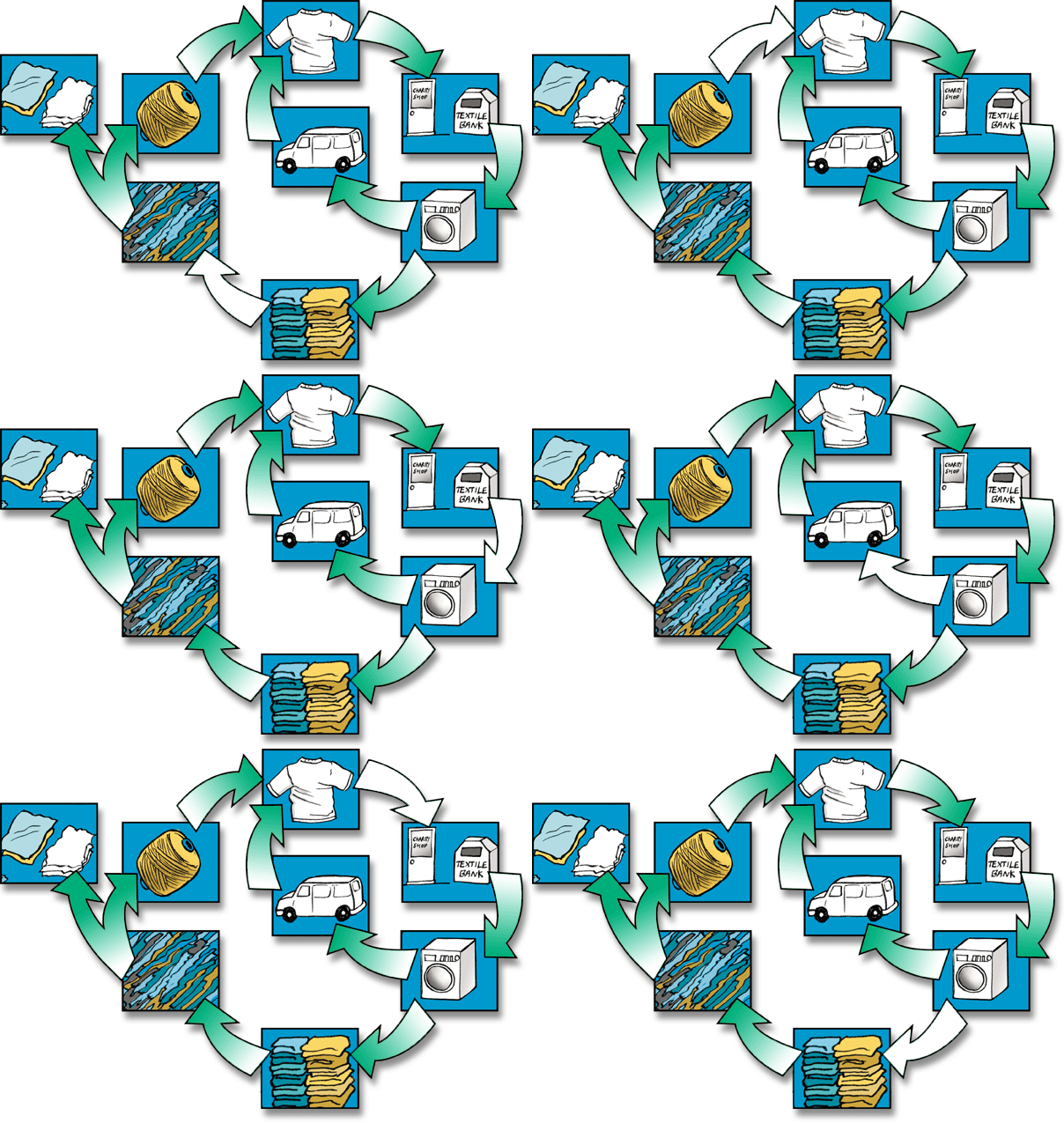
T-shirts could give outstanding stuff for the creation of funny bags; there are firm cases when individuals have used such clothe particulars to make bathmats or even flares. Another unique way to recycle cloths of the kind is by cutting them into strips and weaving or knitting them in really fashionable rugs to be used in certain house corners. Moreover, you can even pick up leads about how to make memory quilts out of old t-shirts you bought at special occasions. Creativeness is definitely one of the main points required in the campaign to recycle textiles.
Let’s exact some other applicable example of how you can recycle fabrics from draperies or curtains. At a particular period you will by all odds desire to change the house decorations and will get yourself in the position of suffering overmuch unused stuff. On That Point are great deal of manners to recycle fabrics from drapes or curtains: counting on how rich the texture actually is, you could actually re-use them for upholstery items. If you cannot recycle the material on your own, you can turn to people who in reality manage it for a life, as contribution of small home-businesses.

Ways to recycle

Different manners to recycle efficiently admit focusing on food and yard waste material, they are totalizing 25% of the solid waste material. Then, metallic elements can too be recycled easy, soft drink cans and cans are to be picked up everyplace and gathering companies are constantly impatient to take them out. Last but not least, glass is another material that can be picked up with a minimum try, however think of that electric-light bulbs, dishes or ceramic aren’t recognized as glass by recycling parties.
Plastic is one of the biggest enemy of ecologists, its chemic structure prevents it from decomposing in nature, and it can endure for 100 of years without suffering any modification. The innovation of bio-degradable plastic brought a change. But the disfavour with this solution is that recycling companies won’t have it mixt with standard plastic because the price is a great deal lower for this mixing. So bio-plastic is one of the modes to recycle but it would be effective only if it would replace most of the standard plastic product.
When we understood a label we should make the difference between recycled, which implies it admits a pct of recycled material and recyclable. Discovering some other ways to recycle calls for a lot of creativity, firstly if you don’t use an object any longer find someone who would. Sell those things you don’t apply, which have amassed around the house: you can either organize a yard sale or hand them to a school or a church that may want them.
 Books and technical magazines are never to be recycled as simple paper, numerous youngsters would use them with joy so talk with the first teacher you see about your book collection. There are as well different modes to recycle that you can capitalize of in your own home, all you necessitate is a little care and some dedication to the issue.
Cut the amount of paper and plastic bags you use and try bearing things with multipurpose textile bags, don’t purchase so many paper towels, plates and napkins and prefer their reusable equivalents. Exchange your old batteries with rechargeable ones, and recycle the old ones. Preserving energy in your house keeps the charges minimized and slims down contamination in major cities.
Drain Water Recycling Saves Money and the Planet

While there are several different ways to go about drain water recycling, one of the most impressive is to take specialized plumbing solutions named grey water systems. While these are high-priced, if you have many functions for the drain water recycling runoff, this could be a great choice. These systems can be constructed into homes during first construction or can be put in afterwards by someone who is a plumbing professional.
These systems are generally practiced for the irrigation of sizeable lawns and gardens and come with holding tanks, grey water pipes, outdoor spigots and now and then are piped into the toilets to role for flushing, rather than wasting fresh water. Many of these drain water recycling systems also include a filtration system to get rid of any large waste or foreign objects from the water before it is recycled.
Though drain water recycling systems can be dear, they will eventually make up for themselves with the money saved on water bills and in the wear and tear on underground septic systems. Though water is not a awfully high utility bill, by reusing grey water, many have noticed that their bills have been cut in half. Additionally, those with own septic systems will experience the life of their septic system extended, as it must handle less of a load each day. These expenses may not look to be awfully large, but they can summate through time, creating a grey water system extremely worth the expense.
 Drain water recycling is something that anyone who regularly waters their lawn, cares for a garden or even fills an outside pool should regard. By recycling water that is no more drinkable, but is not dangerous to man or the surroundings, water expenditure can be reduced almost in half. Even those that cannot afford to have an whole grey water system constructed into their homes can get cheap options that are nearly as efficient. Even small scale drain water recycling can form a difference in the amount of water that is used in the home, doing good both the planet and the pocketbook.
Εγγραφή σε:
Αναρτήσεις (Atom)